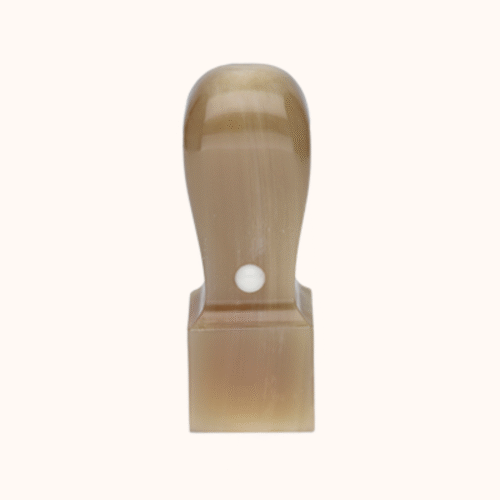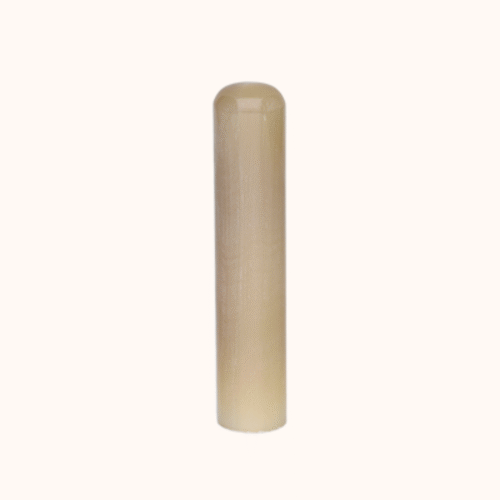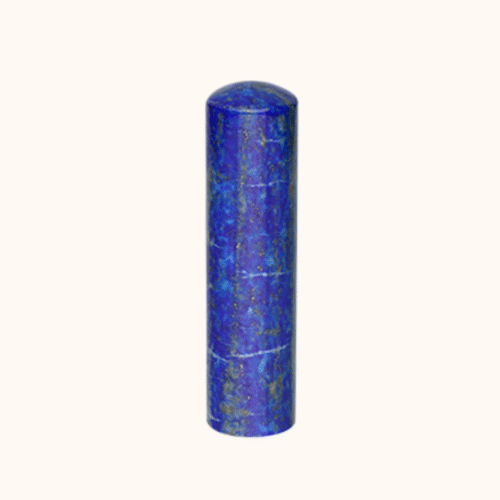


Starting an internship in Japan is exciting. You’ve sorted your visa, found housing (or at least a lead on housing), and you’re ready to dive in. Then, usually within the first few days, someone hands you a stack of paperwork and quietly mentions that you’ll need a hanko.
If you’ve never heard the word before, or if you have but assumed it was only for permanent residents or company executives, this guide is for you. The reality is that hanko for interns in Japan is a more common requirement than most people expect, and arriving without one can slow things down at exactly the wrong moment.
A hanko — also called an inkan — is a personal name stamp used in Japan to sign documents. For many institutions, it carries the same weight as a handwritten signature, and sometimes more. Banks, landlords, employers, and local government offices all use them. As an intern, you’re likely to encounter at least two or three document types that either request or require one.
This guide walks you through why interns specifically get asked for a seal, which documents come up, what type of hanko makes sense for your situation, and how to order one in English without any confusion.
Why This Segment Is Asked for a Seal

Japan’s document culture is built around the seal. Historically, hanko were how individuals and institutions confirmed identity and gave formal consent. While digital signatures are slowly gaining ground in corporate Japan, the physical stamp remains deeply embedded in everyday administrative life — especially at the local and institutional level.
As an intern, you sit in an interesting position. You’re not a tourist passing through, and you’re not yet a full employee with a company-issued hanko. You’re somewhere in between, and that often means dealing with paperwork from multiple directions simultaneously.
Here’s a typical scenario: You arrive in Tokyo for a three-month internship at a mid-sized tech firm. Within your first week, your employer asks you to sign an NDA and an internship agreement. Your share house requires a move-in contract. And if you’re opening a bank account to receive your stipend, the bank may ask for a hanko as well. Three separate institutions, three separate asks — all in the first week.
The reason interns get asked is straightforward: you’re entering into real legal and financial relationships during your stay. Companies want documentation that holds up. Landlords want proof of formal consent. Even if your internship is unpaid or short-term, the paperwork doesn’t shrink.
One common misconception is that a signature will always suffice. In some cases, particularly with larger international companies, it might. But many mid-sized Japanese firms, local landlords, and municipal offices still expect a hanko in the designated stamp box on the form. A signature in that box often creates confusion and sometimes outright rejection of the document.
Common Documents and Timelines
Most interns encounter hanko requests in a predictable cluster. Knowing what’s coming — and roughly when — helps you prepare.
Documents you’re likely to encounter:
- Internship agreement or contract — Usually signed before or on the first day. Some companies issue these digitally, but many still use paper.
- NDA (non-disclosure agreement) — Common in tech, design, and consulting environments. Often bundled with the internship agreement.
- Housing contract — If you’re renting a share house or apartment independently, a hanko is almost always required by the management company.
- Bank account application — Banks like Japan Post Bank (Yucho) or regional banks often request a hanko when opening a standard account. Some major banks now accept signatures for foreigners, but this varies.
- City hall registration documents — If you’re staying more than three months, you’re required to register your address at your local ward or city office. Some municipalities still include a hanko field, though many have moved away from requiring it.
- Health insurance or pension enrollment forms — If your company enrolls you in shakai hoken (social insurance), there may be internal forms requiring a stamp.
Timeline reality check:
The squeeze hits hardest in the first two weeks. Housing contracts, bank accounts, and employment paperwork often overlap. If you arrive without a hanko, you may find yourself making multiple trips back to offices after you’ve had one made — which is time you don’t have when you’re also trying to onboard at work.
Ordering a hanko before you arrive, or within the first two days of landing, is the practical move.
Recommended Hanko Type and Size
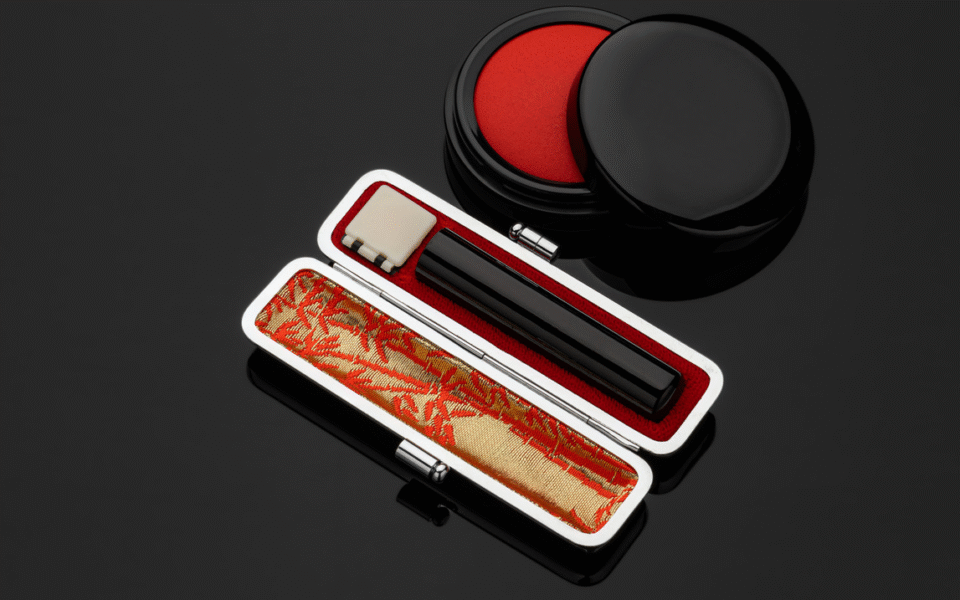
Not all hanko are the same, and as an intern, you don’t need the most formal or expensive option. Here’s what actually makes sense for your situation.
Mitome-in (認め印) is the type you want. It’s a general-purpose personal seal used for everyday documents — contracts, receipts, internal forms. It does not need to be officially registered with the city office (that’s a different type called jitsu-in, which is required for things like property purchases or vehicle registration). For internship paperwork, a mitome-in is almost always sufficient.
Size: The standard size for a personal mitome-in is 10.5mm or 12mm in diameter. Either works. Larger sizes are more common for company seals. Stick with 10.5mm or 12mm.
Material: Resin (acrylic) is the most practical and affordable choice for a short-to-medium stay. It stamps cleanly, holds up well, and won’t break the bank. Wood and harder materials like buffalo horn are options if you want something more durable or meaningful.
Name on the seal: This is where foreigners often feel unsure. You have a few options:
- Your name in katakana — This is the most common approach for foreigners in Japan. Katakana is the phonetic script used to render foreign names, and it’s widely accepted on documents.
- Your name in romaji (Latin alphabet) — Some institutions accept this, especially international companies. However, it can occasionally cause hesitation at more traditional offices.
- A Japanese name if you have one — If your name has been officially transliterated and that’s what appears on your documents, use that.
When in doubt, katakana is the safest choice. If you’re unsure how your name is rendered in katakana, the team at HankoHub can help you confirm before your order is engraved.
Common mistakes in this stage:
- Ordering a seal that’s too large (over 15mm) — this looks out of place on standard personal document stamp boxes.
- Choosing a cursive or highly stylized font that’s hard to read — for official documents, clarity matters more than aesthetics.
- Ordering a jitsu-in (registered seal) when you only need a mitome-in — it’s unnecessary and involves extra admin steps.
- Waiting until paperwork is already in front of you to start looking — production and shipping take time.
Ordering Tips in English
One of the most practical barriers for foreign interns is simply not knowing where to start. Japanese stationery shops and hanko makers are everywhere, but navigating the process in Japanese — especially when you need to confirm the correct katakana spelling of your name — adds friction.
If you’re still looking for the right role, ComfysCareer is a solid starting point for foreigner-friendly jobs in Japan.
For those who already have a placement and need to get paperwork-ready quickly, HankoHub handles the full process in English. You can order online, confirm your name rendering before anything is engraved, and have a clean, professionally made personal seal shipped to you. The site is built specifically for foreigners navigating Japan’s stamp culture, so there’s no guesswork about what type to order or whether your name will look right.
A practical ordering checklist:
- Confirm how your name appears on your Japanese documents (residence card, visa, contract)
- Check the katakana rendering with the seller before ordering
- Choose mitome-in (not jitsu-in) unless told otherwise
- Select 10.5mm or 12mm diameter
- Order at least 5–7 days before your first paperwork deadline
- Keep your hanko in a case or pouch — a damaged seal can cause ink transfer issues on documents
- Consider ordering a small ink pad (shuniki) at the same time if one isn’t included
If you’re ordering from outside Japan before your trip, factor in international shipping time. Domestic orders within Japan are generally faster.
FAQ
Do I really need a hanko as an intern, or can I just sign? It depends on the institution. Large multinational companies often accept signatures. But Japanese firms, local landlords, and government offices frequently expect a stamp in the designated box. Having one means you’re never caught off guard.
Can I use a 100-yen store hanko? For very informal internal documents, possibly. But 100-yen hanko are pre-made with common Japanese surnames and won’t have your name on them. They’re not suitable for internship contracts, housing agreements, or bank accounts.
What if my name is very long or unusual in katakana? Long names can be shortened or adapted. In Japan, personal seals often use just a given name or just a surname. A two-character to four-character rendering is standard. This is something to discuss with your hanko maker before ordering.
Does my hanko need to be registered? For general intern paperwork, no. Registration (jitsu-in toroku) is a separate process required for high-stakes legal documents like real estate. A standard mitome-in does not need registration.
What if I lose my hanko? Losing a hanko is inconvenient but manageable. Since a mitome-in isn’t registered, there’s no formal cancellation process. You’d simply order a new one and use that going forward. Keep yours in a consistent place — a small pouch or case — to avoid losing it.
Can I use the same hanko for multiple purposes? Yes. Your personal mitome-in can be used across housing contracts, employment documents, banking, and general admin. You don’t need separate seals for each purpose.
How long will the hanko last? A resin hanko used regularly can last years. The ink pad will need occasional refreshing, but the seal itself is durable under normal use.
Next Steps

If your internship is coming up and paperwork is already on the horizon, the practical move is to get your hanko sorted early. Order your personal seal at HankoHub, confirm your name in katakana before anything is engraved, and arrive in Japan ready to stamp whatever lands on your desk.